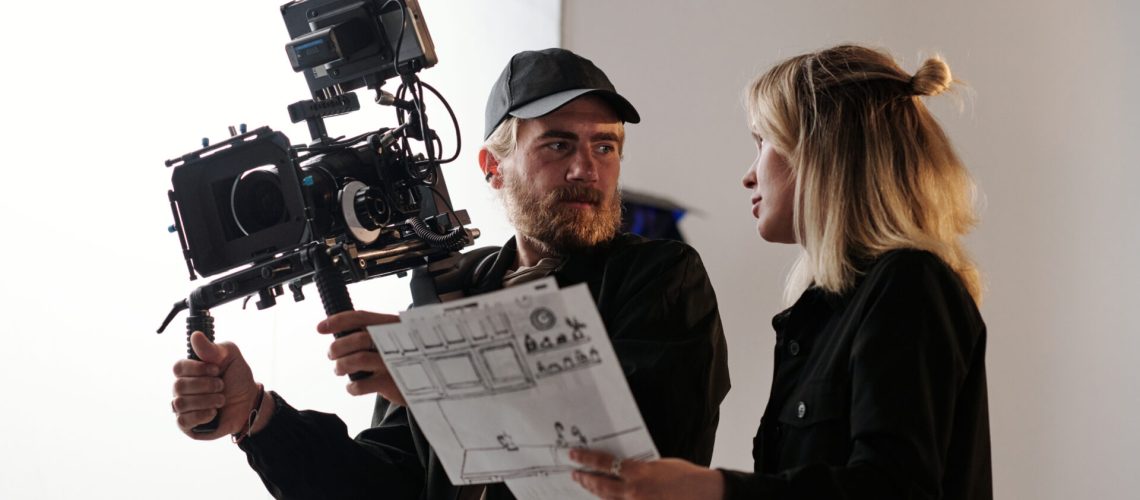
Visual storytelling is the heart of cinema. Long before a single word is spoken, the audience forms a connection through imagery composition, lighting, movement, and emotional nuance. As filmmakers, our responsibility is not just to capture visuals, but to communicate meaning through them.
Great visual storytelling begins with intention. Every frame should serve a purpose. A tight close up may reveal emotion, while a wide shot can establish vulnerability or isolation. The way a character enters a frame, the direction of light on their face, or even the absence of movement can completely alter the mood.
Lighting plays one of the most important roles. Natural light can bring authenticity, while controlled lighting can sculpt a character or environment into something dramatic and expressive. Shadows, contrast, and color temperatures influence how viewers feel often subconsciously. A cool palette might create emotional distance, while warm tones bring comfort or nostalgia.
Camera movement is another powerful tool. A slow push in creates intimacy. A handheld shot adds tension or realism. A dolly or Steadicam brings fluidity and grace. Every movement should reflect the emotional state of the character or the story moment it should never exist just to “look good.”
Modern filmmakers also have access to advanced tools gimbals, drones, high-end digital sensors, and color grading software. But these tools only enhance storytelling when used thoughtfully. Technology should amplify emotion, not distract from it.
At its core, visual storytelling reminds us that film making is a language. It’s a conversation between the storyteller and the viewer one that speaks without words, yet communicates with incredible depth. When visuals carry meaning, a film becomes more than a narrative it becomes an experience.